
Auschwitz:The History, and the
People Who Survived It
Free survivor testimony you can watch, the diaries that ended here, and the story of faith under annihilation — the history, and the people who lived it.
Auschwitz in Numbers
Numbers on this scale go numb — the mind quietly rounds a million down to "a lot." Every figure below is one the museums and state archives have documented and can trace to its source. Behind each is one person, and then the next, and then the next.
men, women and children of more than twenty nationalities were deported to Auschwitz.src
Of everyone murdered at Auschwitz, about nine in ten were Jews.
The camp was, above all, an instrument for the destruction of the Jewish people. Others were murdered here too — Poles, Roma and Sinti, Soviet prisoners of war — but that nine in ten of the dead were Jews is the fact the whole history turns on.src
Five years, one arc
Auschwitz did not kill at a steady rate. The chart below plots the average number of Jews deported here per month — low through 1942–43, then a vertical spike in the summer of 1944, when roughly 430,000 Hungarian Jews were deported in about eight weeks. That is nearly 215,000 a month — some nine times the 1943 pace. Every figure is drawn from the museums' documented totals; hover any point to open the moment it marks.
How to read this graph: each point is the average number of Jews deported to Auschwitz per month during that period, worked out from documented yearly and event totals. The Nazis never kept a running monthly count, so every figure is an estimate — historians' numbers can differ by roughly ten percent or more. The most authoritative source is the Auschwitz-Birkenau State Museum, whose demographic research (Dr. Franciszek Piper) established the roughly 1.1 million people murdered here, about one million of them Jews; per-year figures are cross-checked against the USHMM. (The 1942 rate spans a documented range of about 175,000–197,000 that year; the months just before the 1944 Hungarian deportations were not recorded, and are left faded.)
What Was Auschwitz?
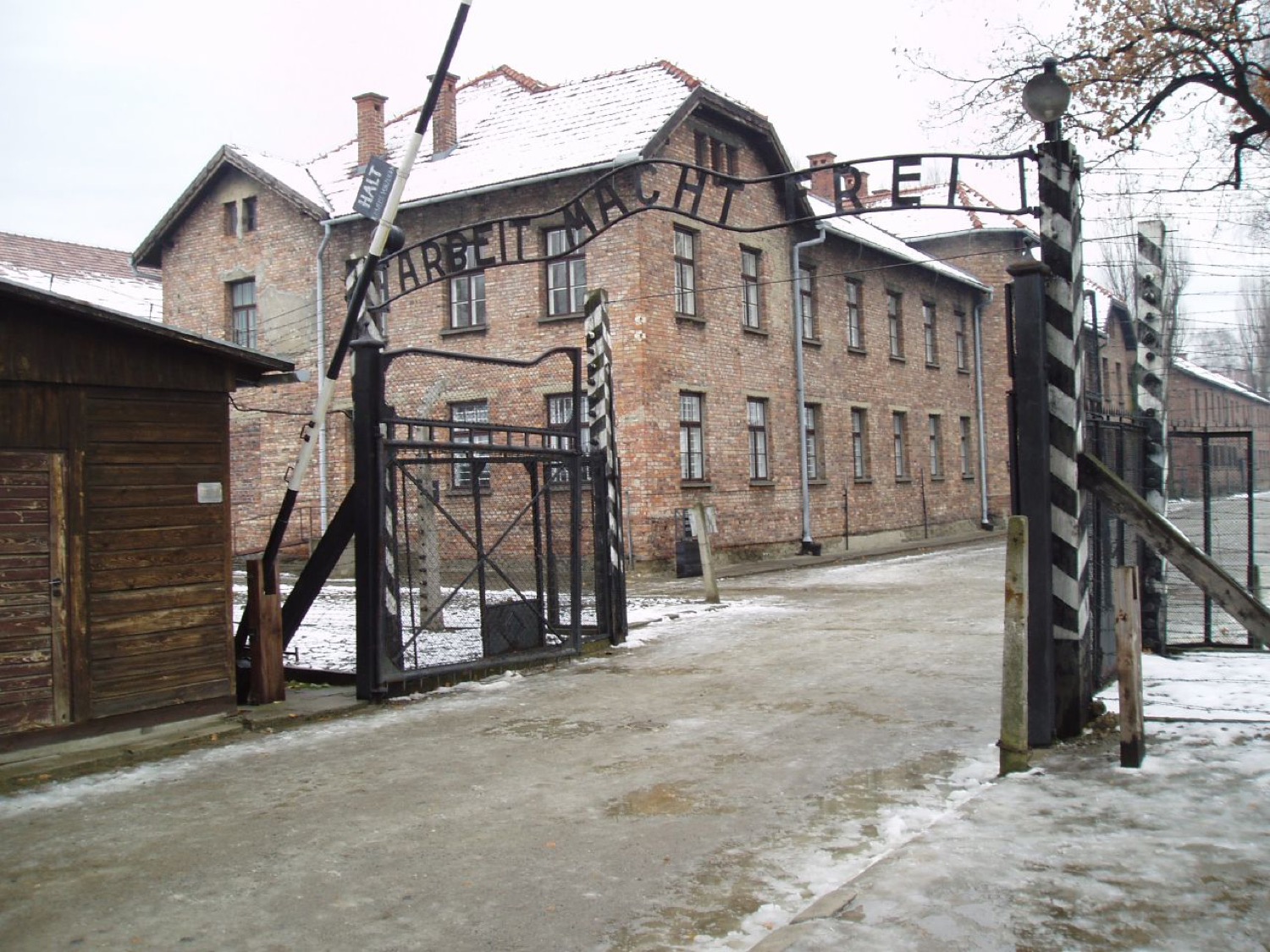
Auschwitz was the largest of the Nazi concentration and extermination camps — not one site but a complex in German-occupied Poland, where roughly 1.1 million people were murdered, about one million of them Jews.
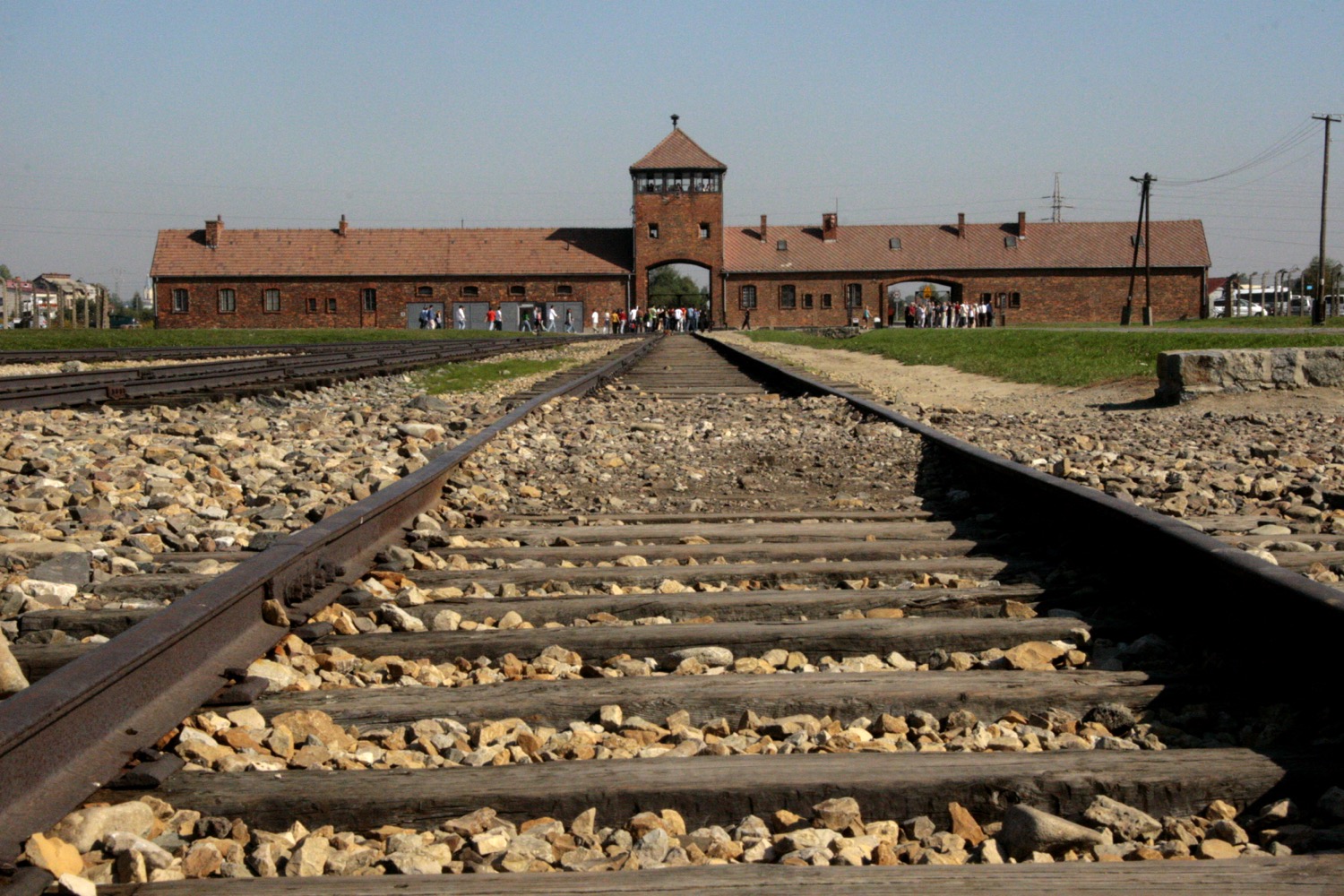
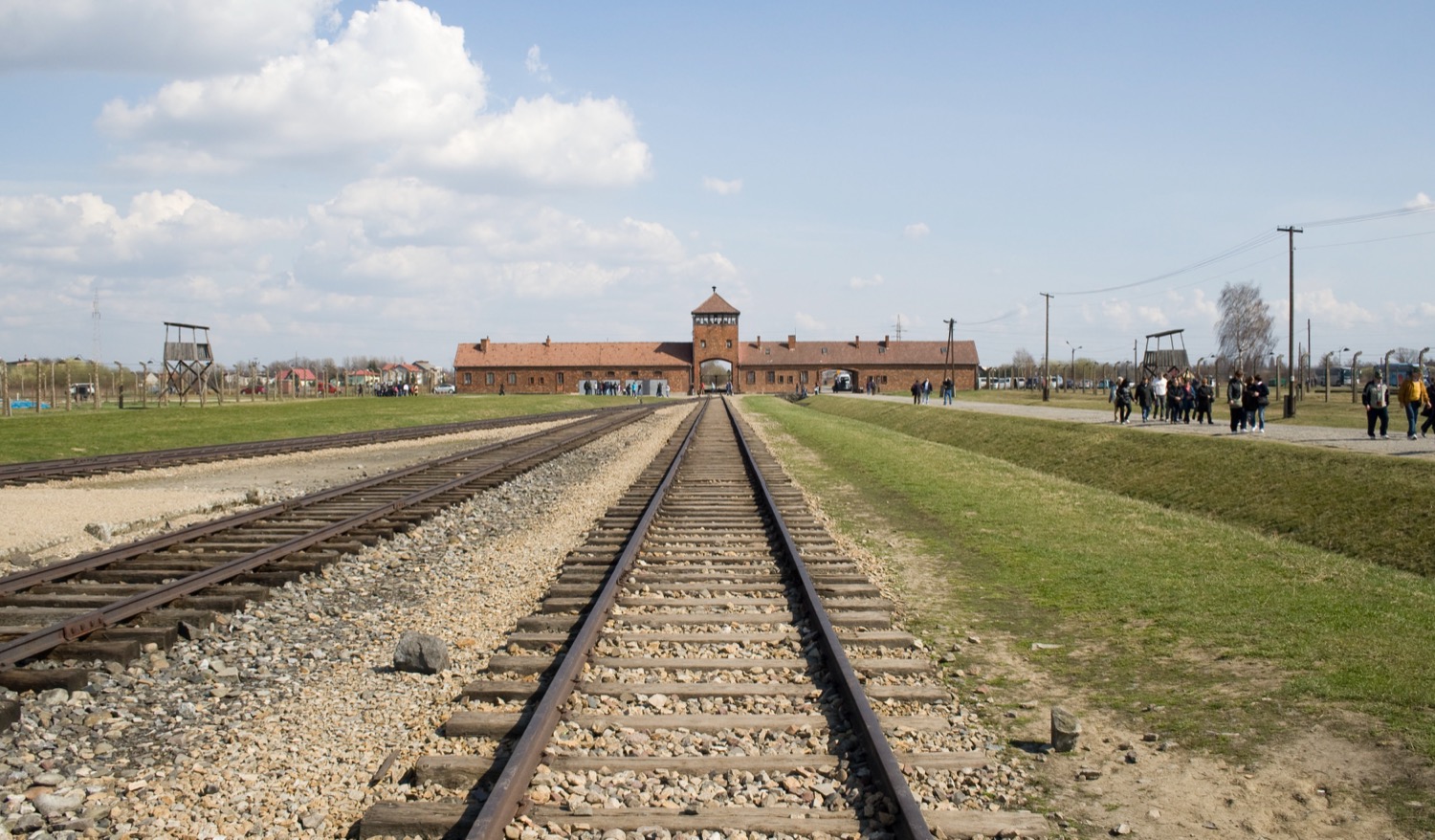
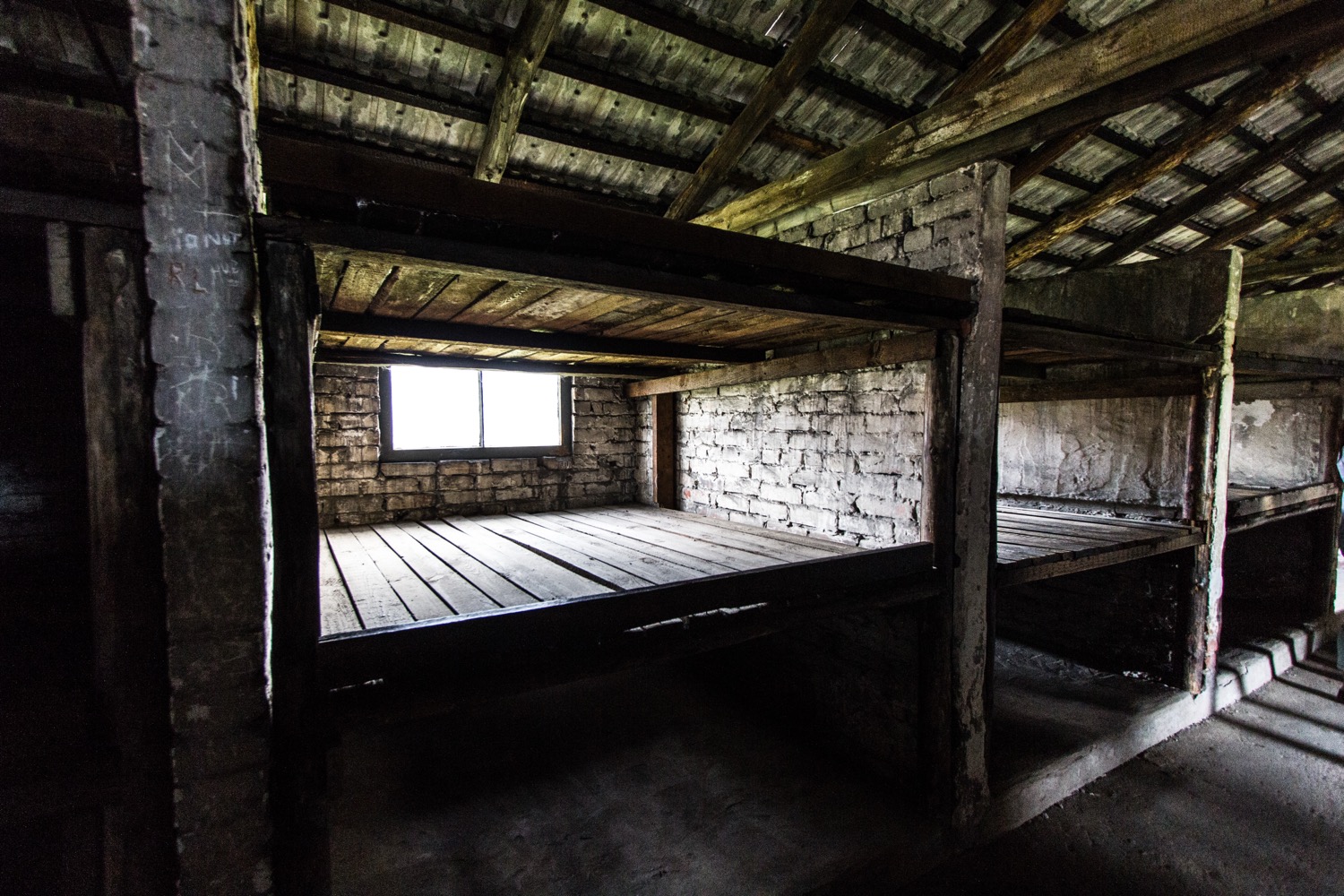
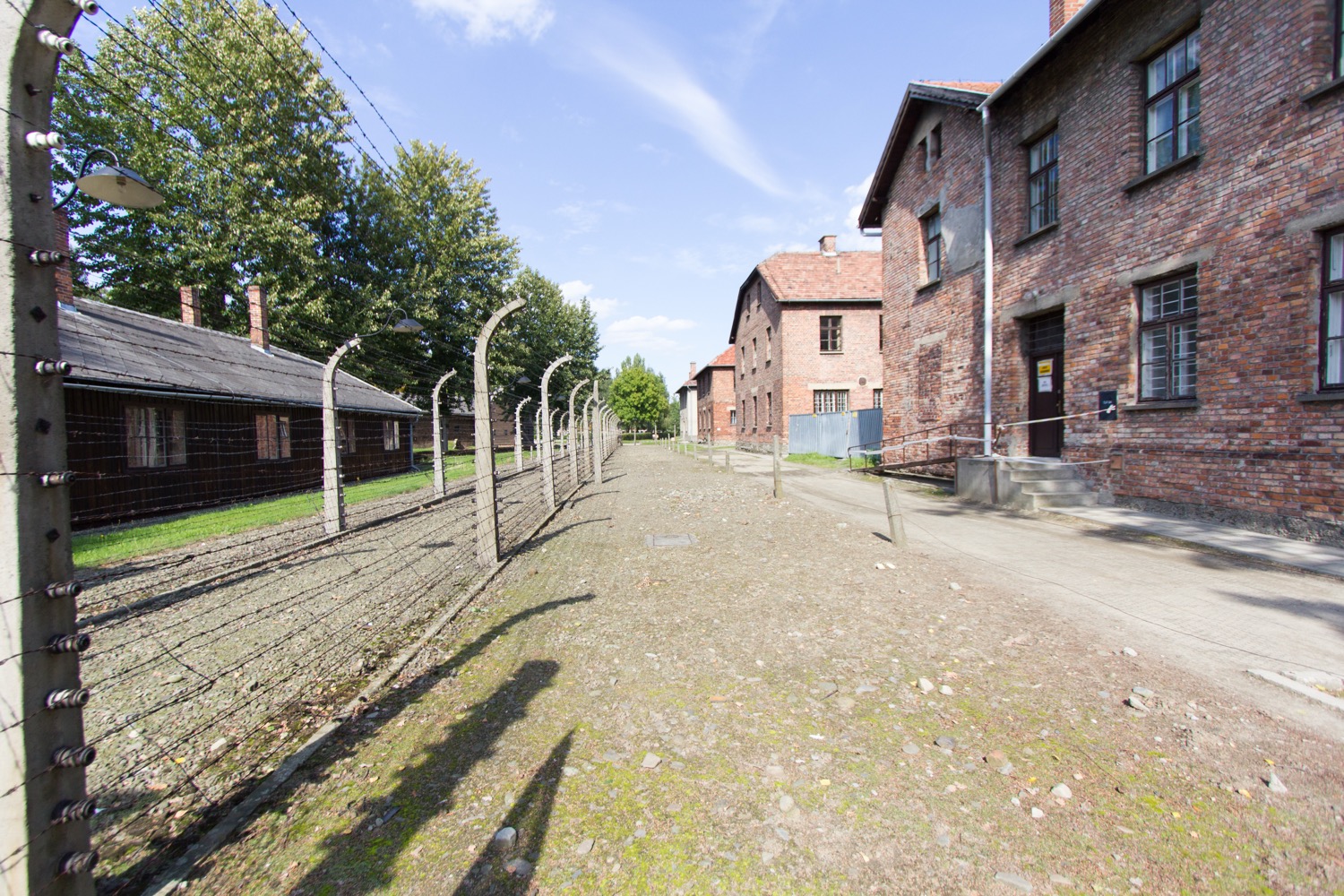
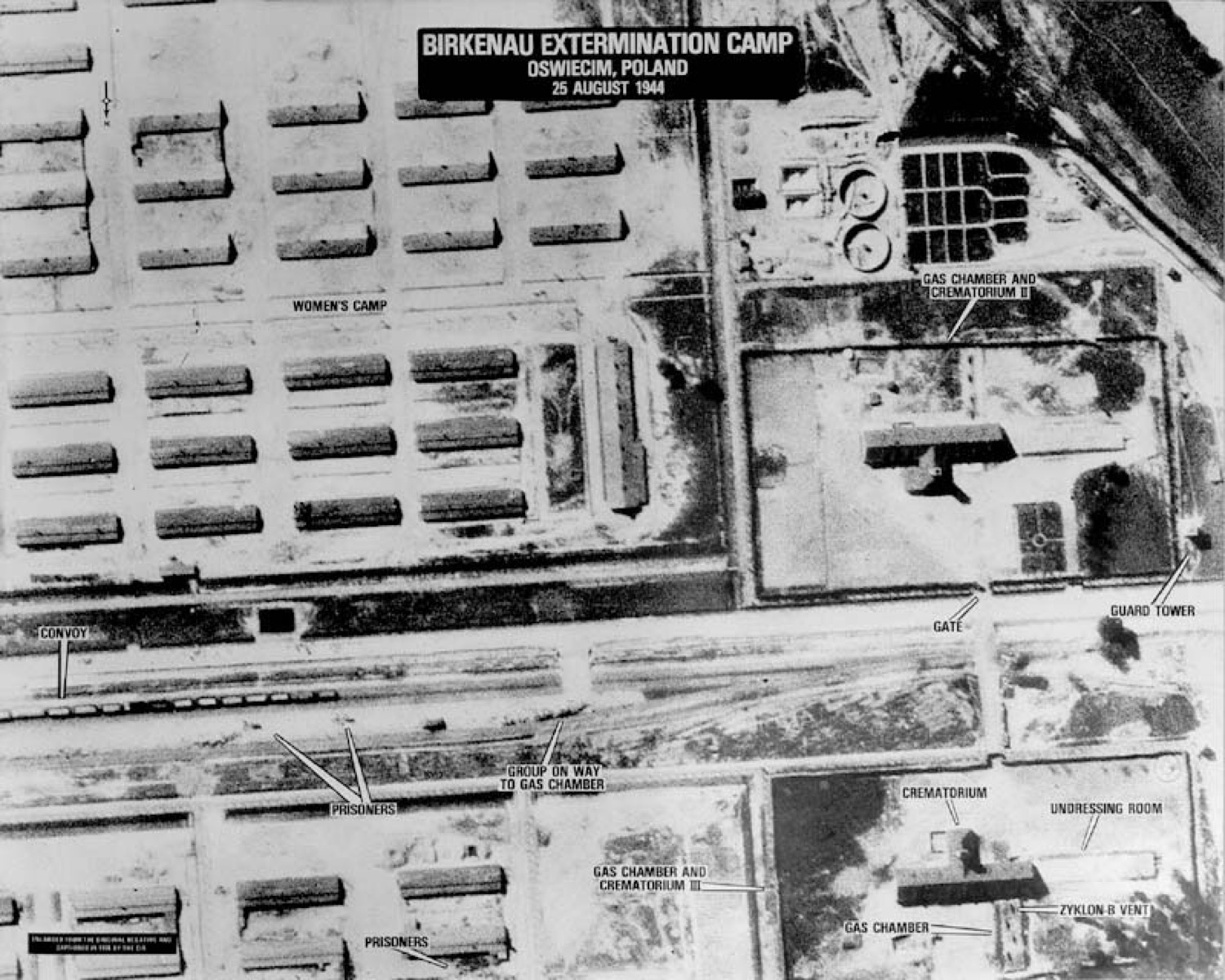
Established in 1940 near the town of Oświęcim, the complex grew into three principal parts. Auschwitz I, the original main camp. Auschwitz II–Birkenau, built in 1941–42, became the largest killing center of the Holocaust, with four gas chamber–crematorium complexes. Auschwitz III–Monowitz supplied slave labor to the IG Farben works, alongside dozens of subcamps.
Those murdered included Jews deported from across Europe, Polish political prisoners, Roma and Sinti, and Soviet prisoners of war. Jews were the overwhelming majority of the dead.
Figures per the Auschwitz-Birkenau State Museum and the USHMM Holocaust Encyclopedia. Last reviewed July 2026.
The Sonderkommando & the Four Photographs
In August 1944, a prisoner hid a camera and photographed the killing as it happened. These are among the only images of the murder process made by its victims.
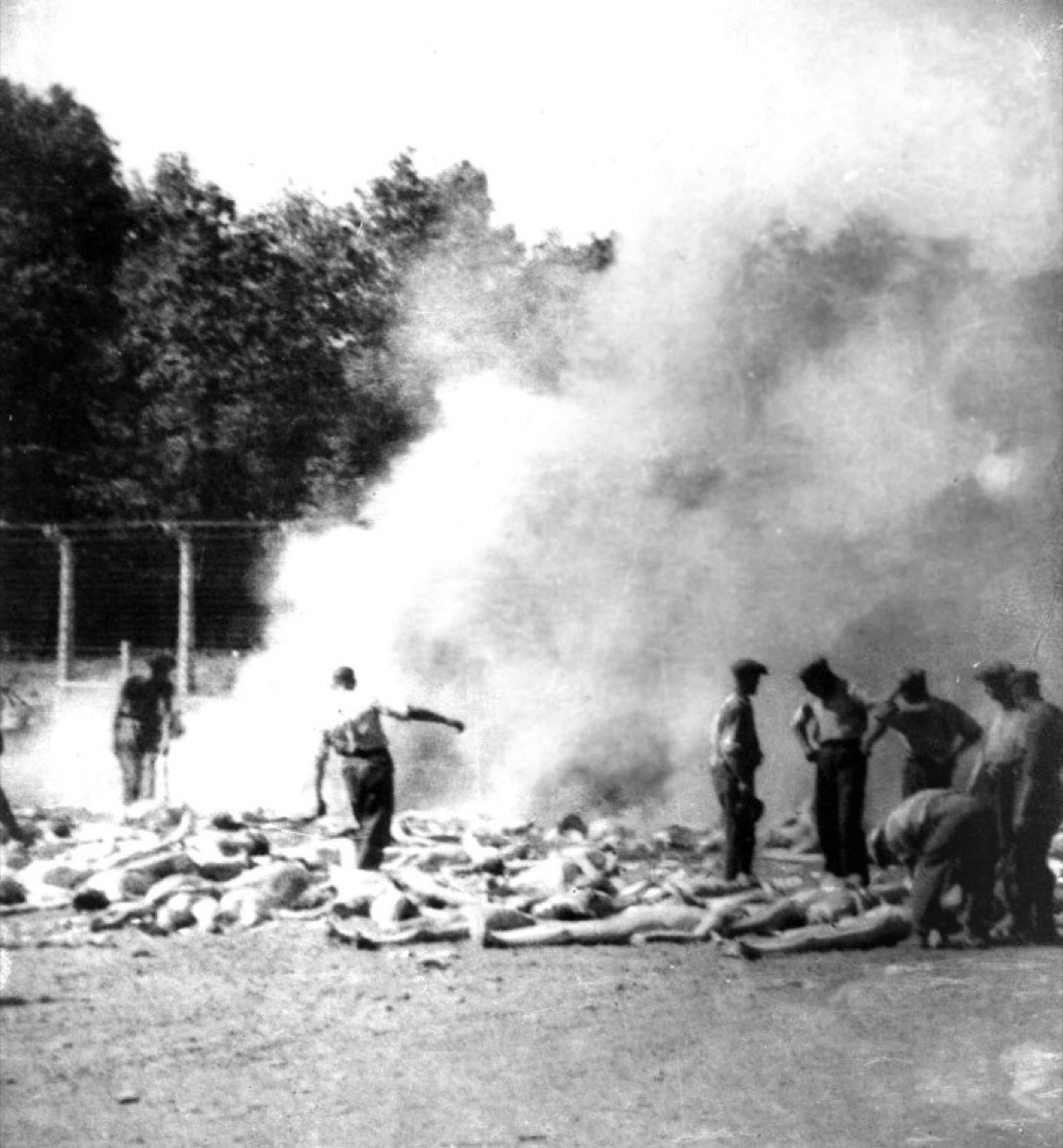
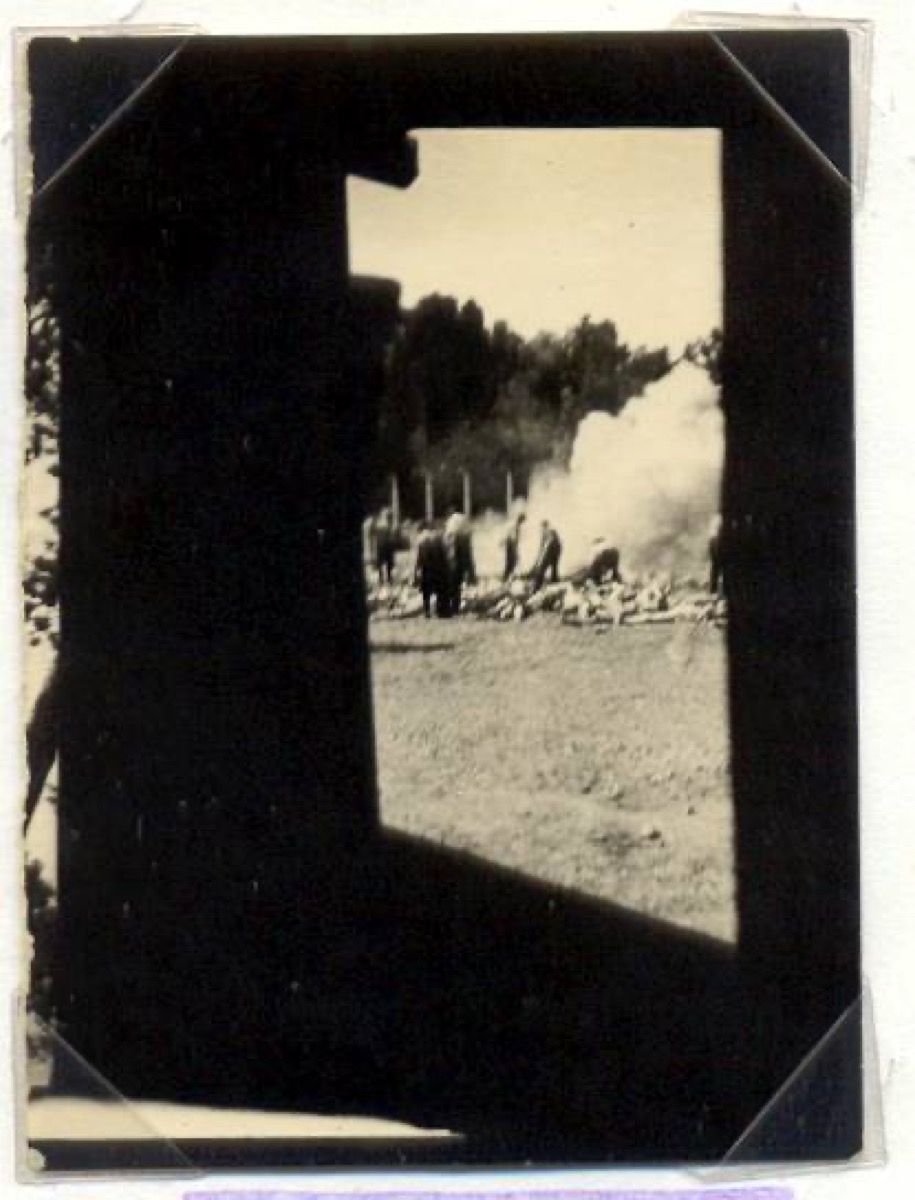
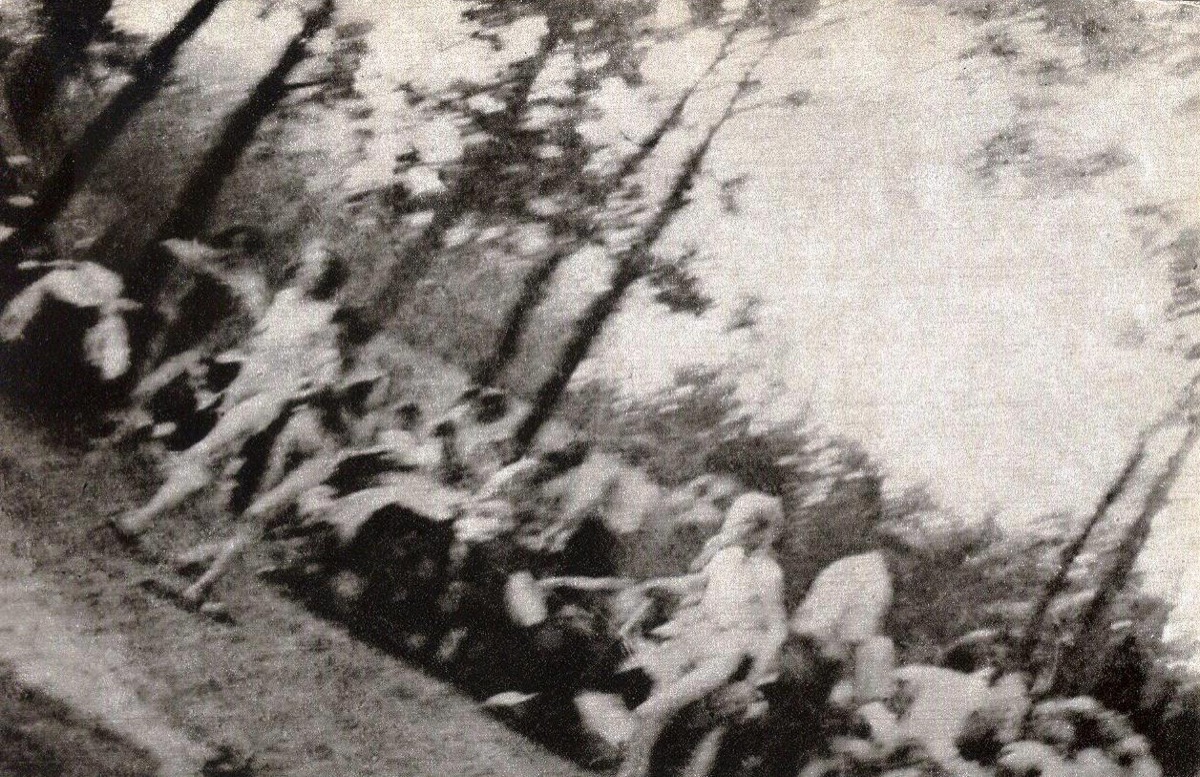
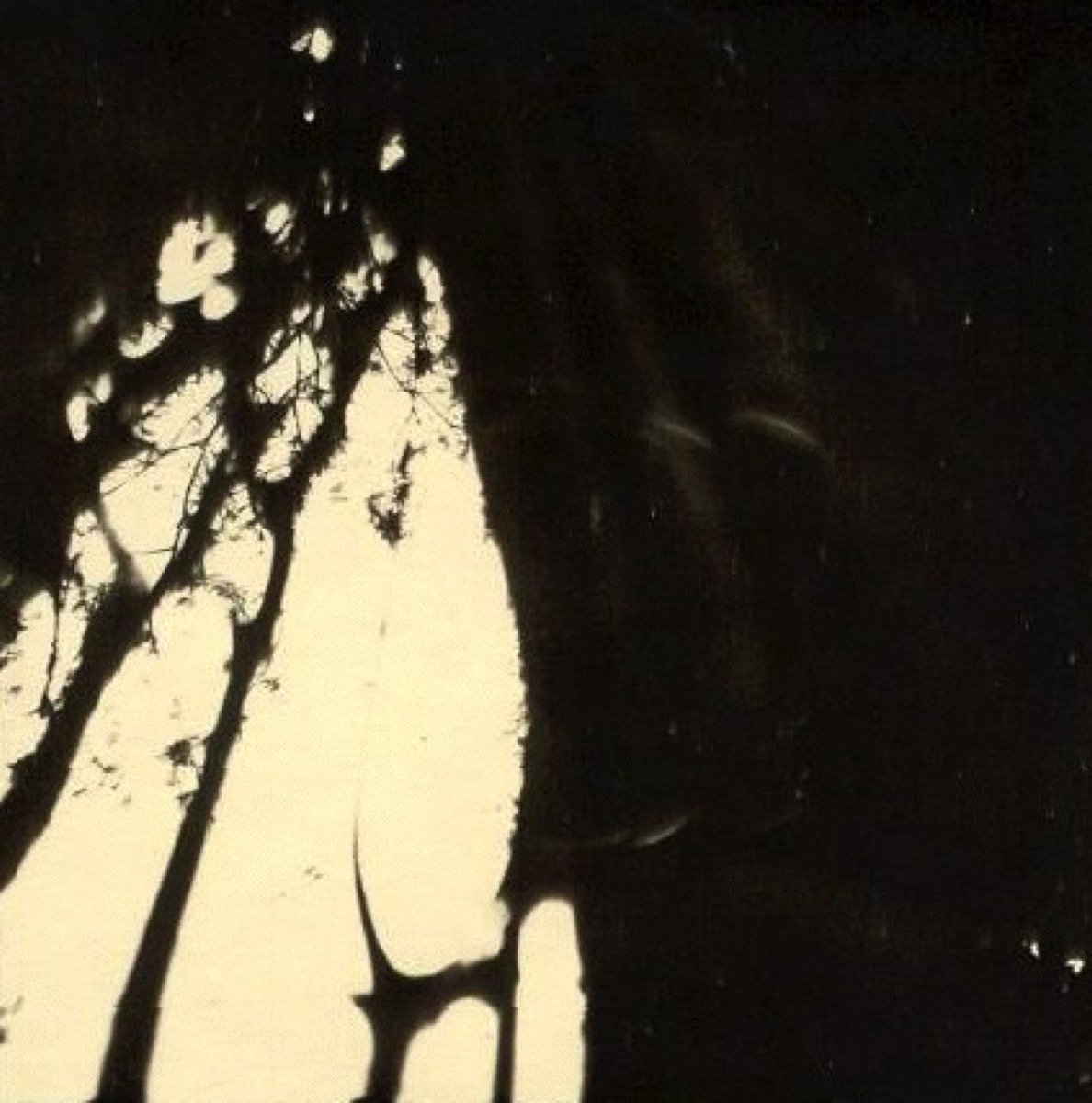
The Sonderkommando were Jewish prisoners forced, under threat of death, to work in and around the gas chambers and crematoria. They witnessed everything — and some risked everything to leave a record. Project Witness has told that record in film.


Diaries That Ended at Auschwitz
Some of the most extraordinary writing of the twentieth century was done by teenagers who did not survive the place their diaries lead to. Their notebooks outlived them.
Rywka Lipszyc was fourteen when she began a diary in the Łódź Ghetto. Deported to Auschwitz-Birkenau in August 1944, she left the notebook behind — and in June 1945 a Red Army physician, Dr. Zinaida Berezovskaya, found it in the ruins beside Crematorium III and carried it home to Siberia, where it lay unknown for half a century.
Rywka herself survived Auschwitz, a labor camp, and a death march to Bergen-Belsen; she was last recorded alive in a hospital in the autumn of 1945, and then the record ends. Her words outlived the trail of her own life.

Berezovskaya carried the notebook to Siberia, where it lay unread until her granddaughter rediscovered it in 1995. It reached the JFCS Holocaust Center in San Francisco in 2008 and was finally published in 2014 — a schoolgirl's diary, retrieved from beside a crematorium, that took seventy years to be read.
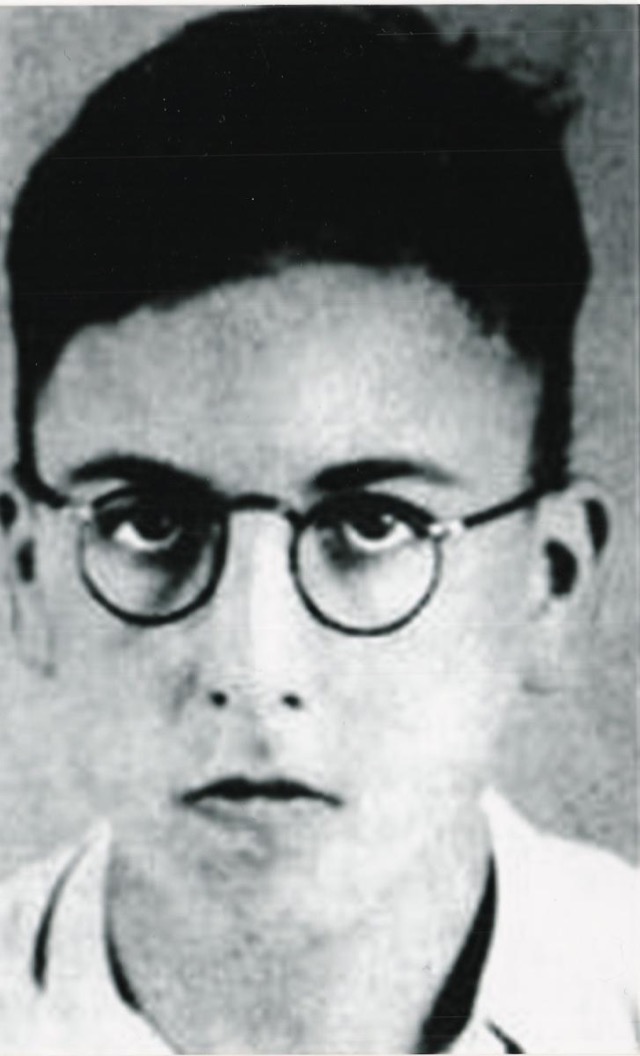
A devout teenager who filled his diary with anguished questions about God. Betrayed on the eve of Passover 1944, he was deported to Auschwitz-Birkenau and murdered there at seventeen. His sisters carried his words out of the ruin.
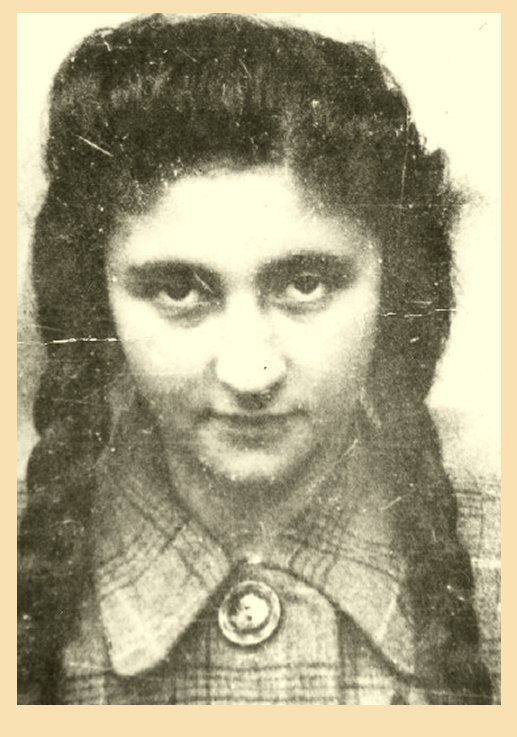
She kept a diary from 1940 to 1942 — a young life narrowing under occupation. Deported to Auschwitz and murdered around 1943, still in her teens. Her diary survived and was published — one more voice the murderers could not silence.

Deportation: The Destruction of Hungarian Jewry
In the spring and summer of 1944, in a matter of weeks, some 430,000 Hungarian Jews were deported to Auschwitz — the largest and fastest deportation of the entire Holocaust. Most were murdered on arrival.
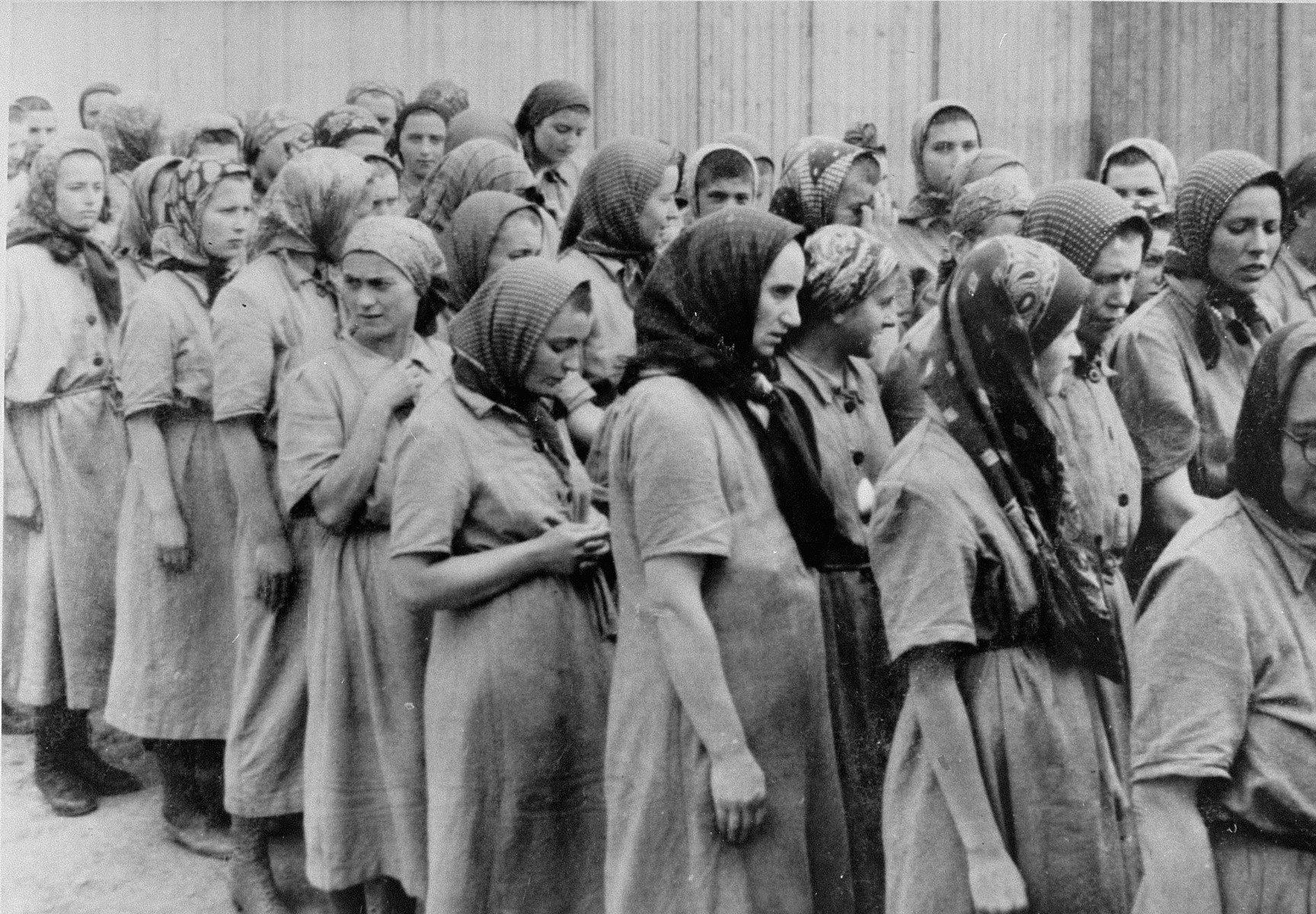

In One Split Second
The destruction of Hungarian Jewry, through living testimony. 1:08:10.
Trailer — free Full film $4.99The Cattle Car
Before Auschwitz there was the journey to it — sealed for days inside a freight wagon built for goods and livestock. The car was not incidental to the crime. It was an instrument of it.
Ordinary freight cars, not purpose-built. Deportation trains in Eastern Europe typically used covered goods wagons — the German Güterwagen, commonly the G10 type — stenciled with the standard military-freight rating of "8 horses or 40 men."src
Rated for 40; commonly 80 to 100 were forced in — up to 150 in the most crowded transports. The SS's own instruction set 50 to a car; in practice that floor of roughly 21 m² was loaded to twice it, and worse. The cars were sealed and locked from the outside, with one bucket for sanitation and no food or water. Transports lasted days — the average about four; the longest, from Corfu, eighteen — and many died before arrival.src
The deportees were charged for their own deportation. Historian Raul Hilberg documented that the Reichsbahn billed the SS a per-head group fare — the price of a one-way third-class ticket, about 4 Pfennig per track-kilometer, half-price for children under ten, with a bulk discount for trainloads of 400 or more. People treated as cargo were counted, and billed, as passengers.src
Watch Free: Survivor Testimony
Full-length and free — no login, no institutional affiliation required. Each is the entire interview, start to finish: the whole testimony, not a clip or a citation behind a paywall.
 Watch freeWilliam GreenwaldTestimony →
 Watch freeJoseph SanderTestimony →
 Watch freeDov LandauTestimony →
 Watch freeJack BreitkopfTestimony →
 Watch freeSamuel KoenigTestimony →
 Watch freeEli KohnTestimony →
 Watch freeEtta FrankfurterTestimony →
 Watch freeRosalia WohlhandlerTestimony →
 Watch freeAnn HochmanTestimony →
 Watch freeMagda BaderTestimony →
 Watch freePetchka MandelkerTestimony →
 Watch freeZev KrautwirthTestimony →
Faith in the Camps: Spiritual Resistance
Secret minyanim. Hidden tefillin. Halachic questions asked inside the camp and after liberation. This is the story of the Jewish soul under annihilation — told, from within the tradition, as a first-class chapter of the history.
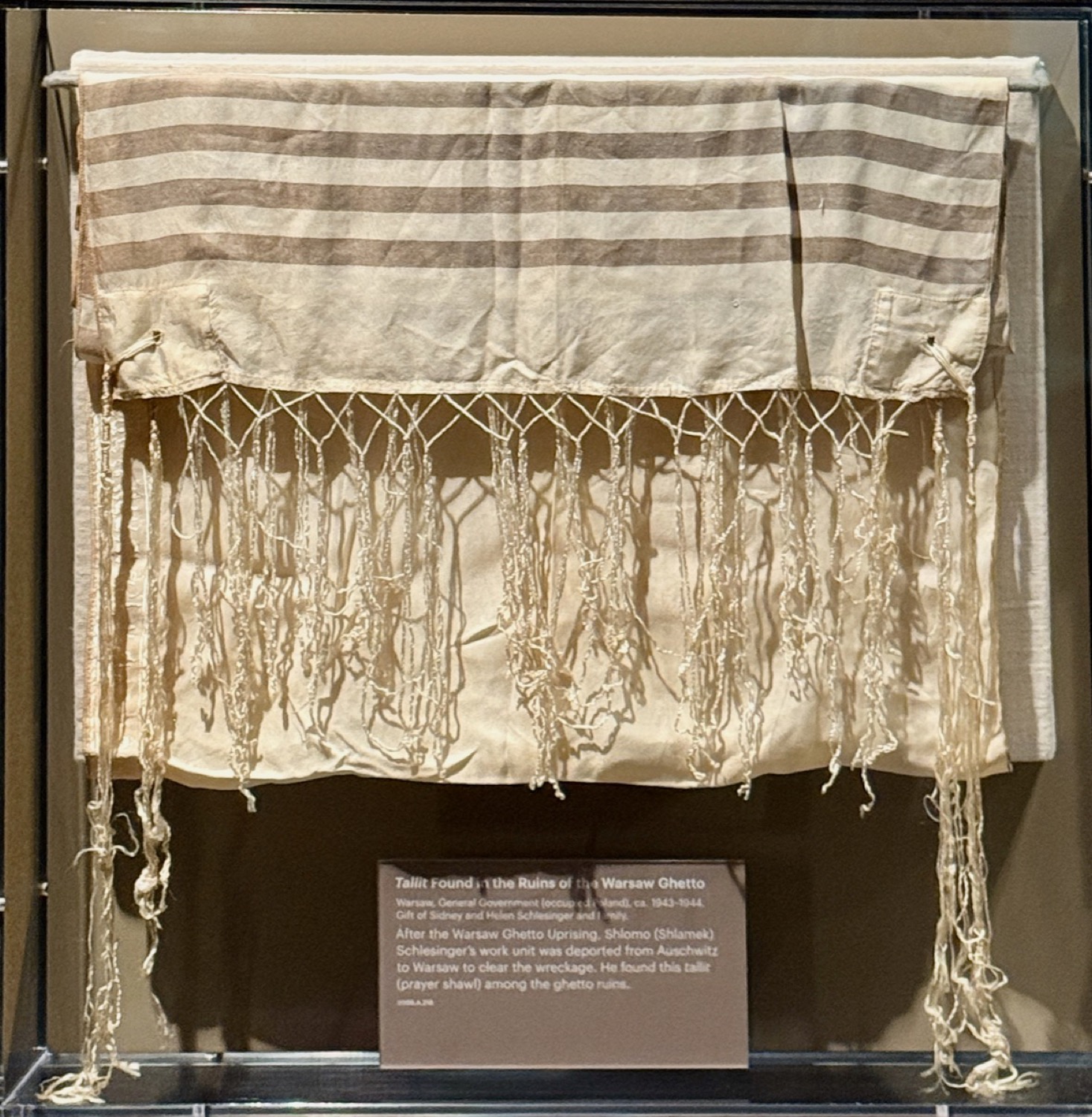
Inside Auschwitz, observance carried a death sentence — and Jews kept it anyway. Minyanim gathered before dawn; a single smuggled pair of tefillin passed from hand to hand down a barracks; blessings were whispered over a shared crust of bread. The Nazis set out to destroy not only a people but a way of life. That any of it survived is its own form of resistance.
And faith did not end at liberation — it met its hardest questions there. How does a survivor mourn the unburied, remarry when a spouse's death cannot be proven, or believe again at all? Project Witness tells this story from within the tradition, where it was lived.
 Free · 37:53 · Lecture
The Revival of Halacha After Liberation
Agunot, marriage, loss, and halachic responsibility
Free · 37:53 · Lecture
The Revival of Halacha After Liberation
Agunot, marriage, loss, and halachic responsibility

In the Footsteps of the Giant
The rescue effort of Rabbi Michoel Ber Weissmandl, who tried to buy Jewish lives from the machinery of deportation — 51:28.
Trailer — free $4.99The Höcker Album
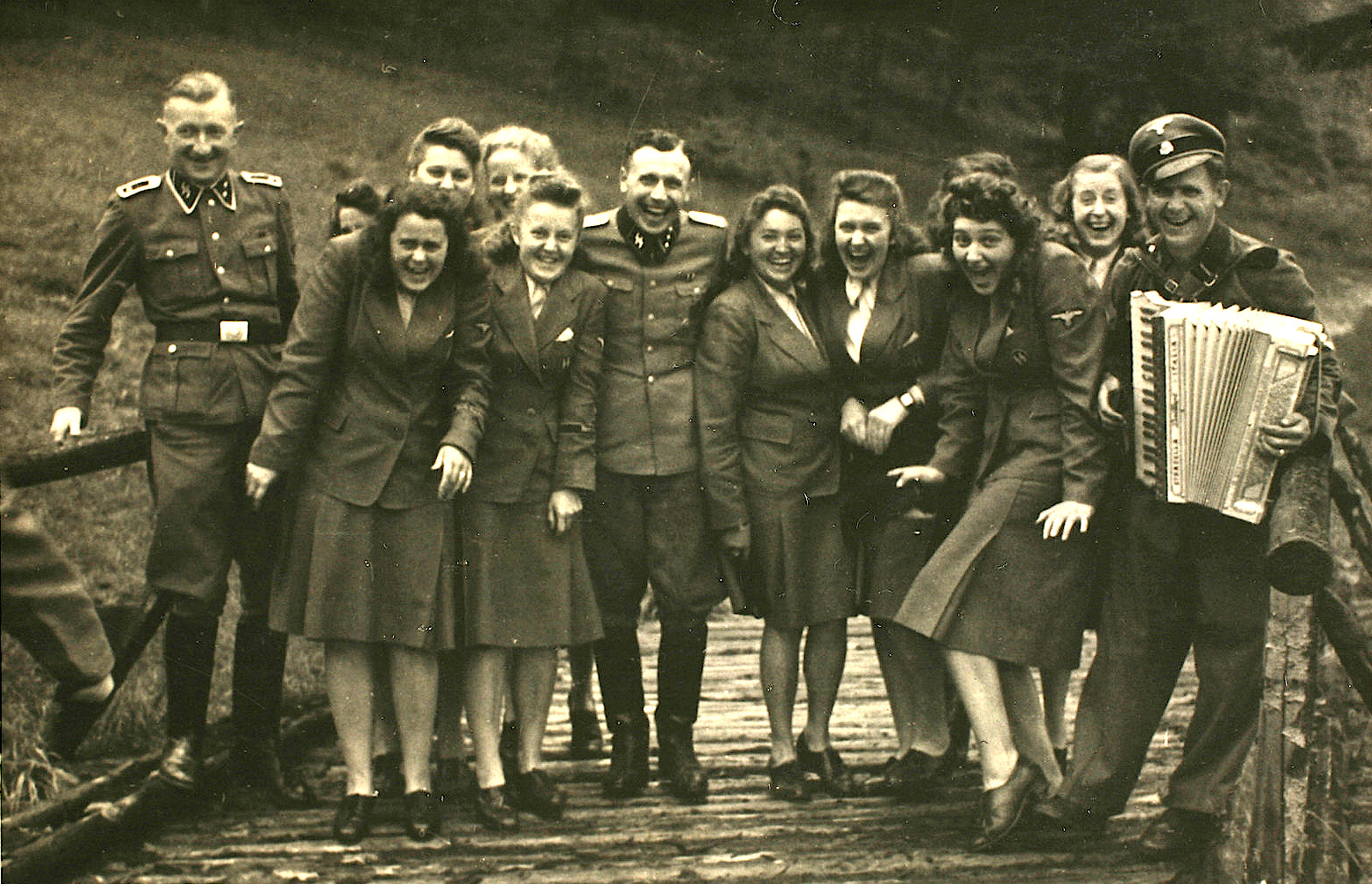
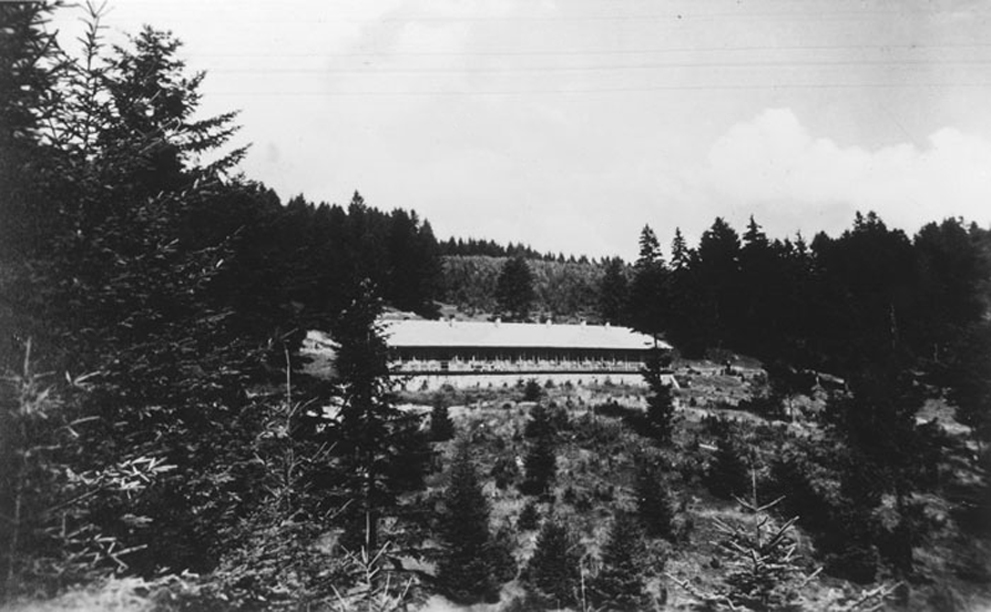
In 1944, at the height of the murder of Hungary's Jews, an SS officer named Karl Höcker filled a personal album with photographs of Auschwitz's staff at leisure — singing, relaxing, eating blueberries at a country retreat called Solahütte, about 30 km (20 miles) from the gas chambers they operated. The album survived. It is one of the most disquieting documents of the Holocaust: the ordinary, smiling faces of people who, that same week, were murdering thousands of human beings a day.
Liberation & Memory
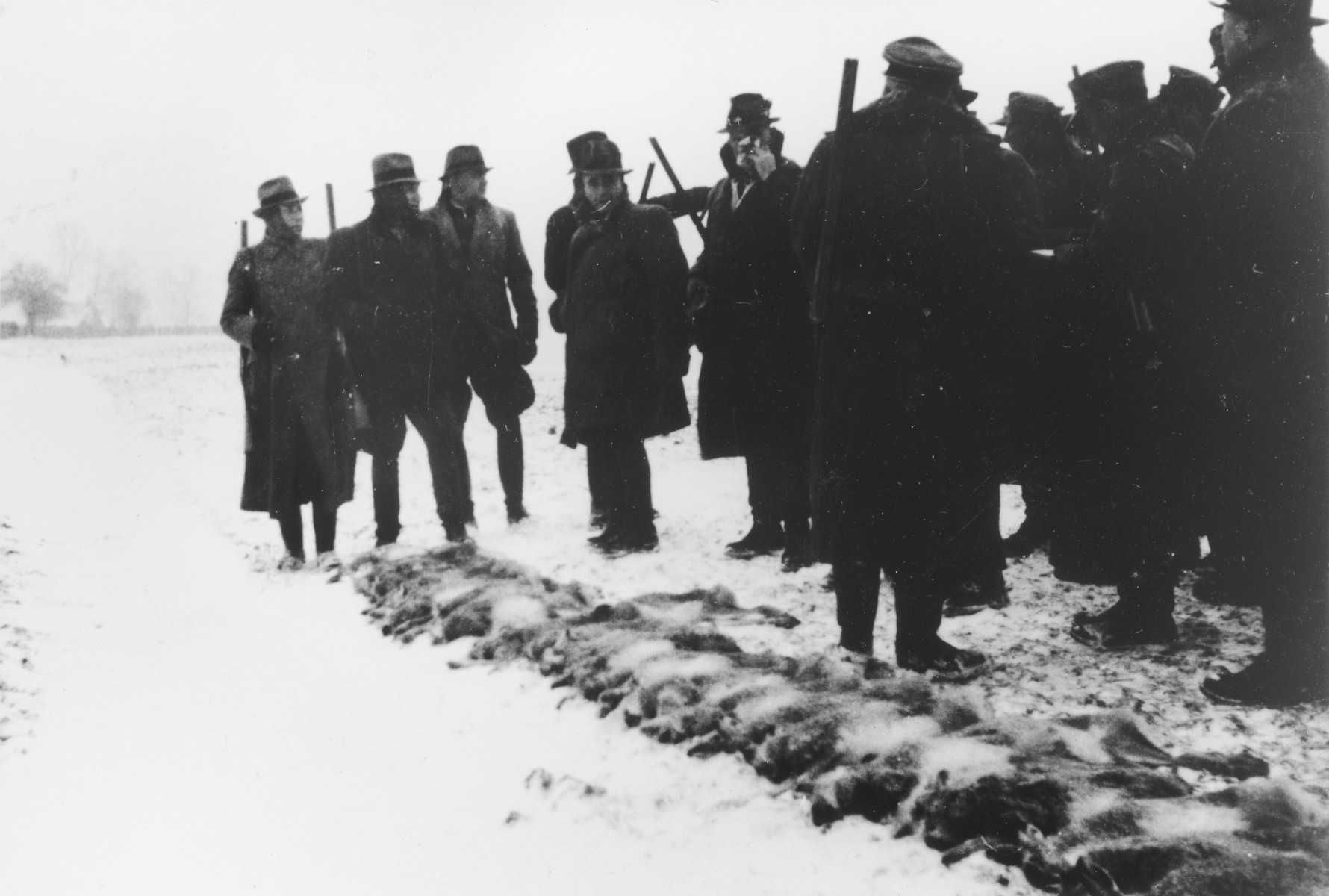
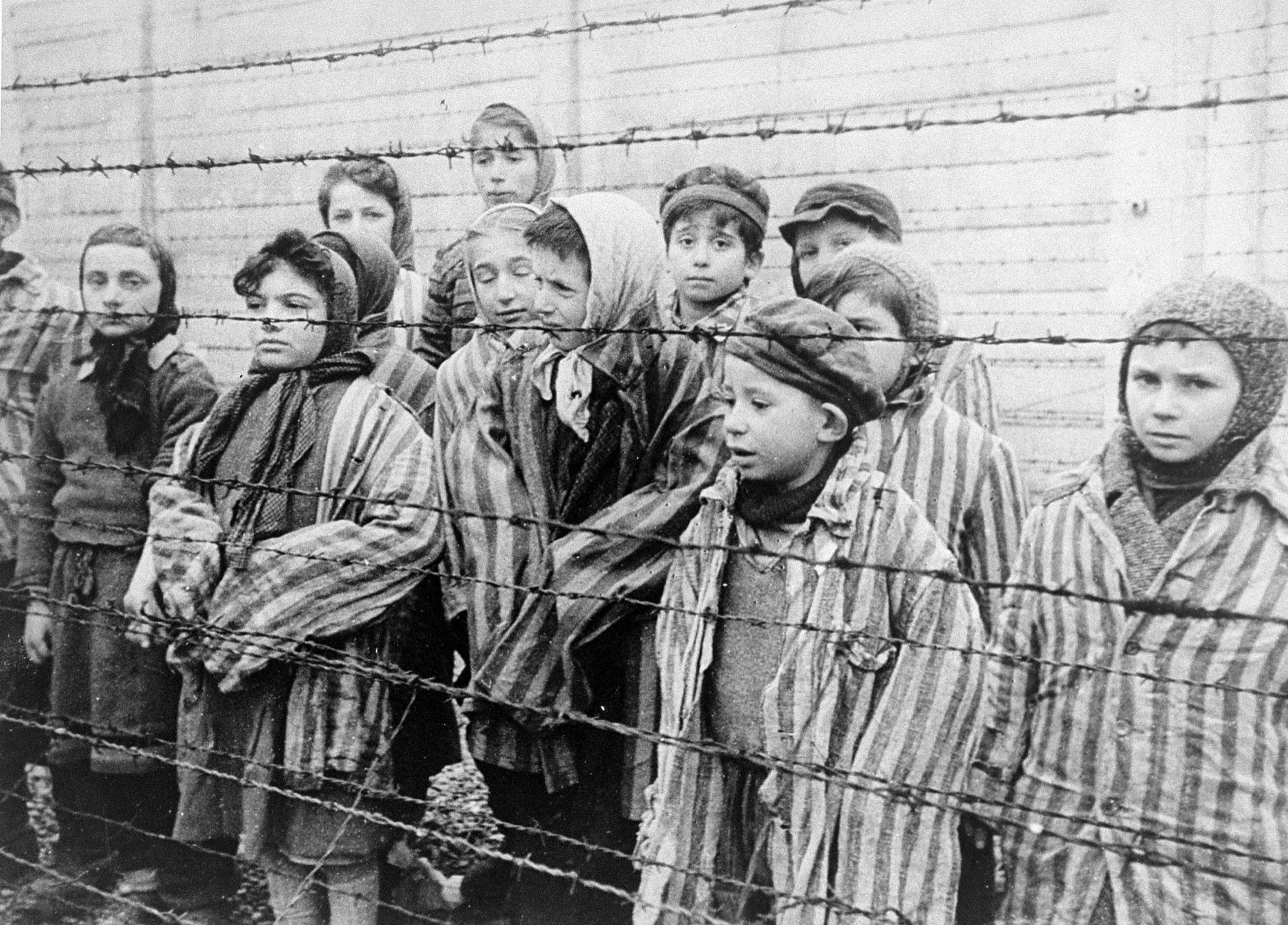
As Soviet forces advanced in January 1945, the SS forced tens of thousands of prisoners on death marches westward. On 27 January 1945, the Red Army entered Auschwitz and found some 7,000 survivors, along with the evidence the Nazis had failed to destroy. That date is now International Holocaust Remembrance Day.
Memory is not only commemoration — it is testimony kept watchable, and history kept accurate. That is the work of this archive.
Explore Auschwitz-Birkenau
From above, the camp's design is legible — the rail spur entering through the gatehouse, the ramp where selections were made, the grid of prisoner barracks, and the ruins of the crematoria at the western end.
An artist's educational 3D reconstruction of the Birkenau site — not a survey-accurate record. Drag to orbit, scroll or use the on-screen controls to zoom, and open it fullscreen to read the camp's geometry — the rail line, the ramp, and the barracks laid out to the horizon.
The Memorial's own 200+ high-resolution 360° panoramas — with historical descriptions and witness accounts, including spaces normally closed to the public.
Read the camp through the museums' own collections, blueprints, and the World Heritage record.
Go Deeper in Digital Witness to History
Our landmark interactive curriculum on the destruction of European Jewry — the full arc, from the world that was to the world that survived. Auschwitz recurs throughout the war-years chapters.
Explore the series →Free, Classroom-Ready
Every testimony and film above is free to stream — no login. Bring survivor voices into your classroom, and start with questions that matter.
- Why did the Sonderkommando risk their lives to photograph the killing? What does it mean to leave a record when you do not expect to survive?
- Rywka's diary was found beside a crematorium and read seventy years later. What does it mean for words to outlive the person who wrote them?
- The Hungarian Jews were deported in 1944 — when the war was already lost. What does that reveal about the Holocaust as a goal in itself?
How We Know
Not advocacy. Not interpretation. Every number and date on this page is drawn from the primary institutional record — and each one links to the archive that documented it. What Project Witness adds is the testimony and film you can watch, free.
on this page carries a citation to the museum or state archive that documented it. Trace any number back to its source.
The Auschwitz-Birkenau State Museum, the USHMM, and Yad Vashem — the institutions that hold the evidence itself.
No login, no paywall — on the history, the testimony, or the citations that stand behind them.
State MuseumAuschwitz-Birkenau State MuseumThe primary authority on the camp and the death toll.
 USHMM Holocaust Encyclopedia"Auschwitz," the deportation trains, and the Höcker & Auschwitz Albums.
 Yad VashemAuschwitz, the deportations, and the young diarists of the Holocaust.
 JFCS Holocaust Center, San FranciscoRywka's Diary and the story of its discovery.
 Facing History & OurselvesThe deportation fare, as documented by historian Raul Hilberg.
Last reviewed July 2026 · Published by Project Witness, dedicated to Holocaust education and remembrance.